




"You Don't Have to Keep Carrying This"
EMDR Therapy in Fort Collins

Somewhere along the way, something got lodged beneath the surface. The anxiety that won’t ease. The reaction you can’t explain. The past that keeps showing up in your present. EMDR can help you finally work through it.

Is EMDR in Fort Collins Right for Me?

You might be here because you’ve been managing it on your own for a long time. Staying steady for your family. Pushing through at work. Holding space for everyone else while quietly carrying something heavy yourself.

Life in Fort Collins is suppose to be manageable. So it can be hard to justify why you’re still struggling, why the anxiety hasn’t lifted, why certain things still get to you after all these years.

But you don’t need a crisis to deserve support. And you don’t need to wait until things get worse.

EMDR helps your brain process experiences that got stuck before they could fully resolve. It doesn’t require you to retell your story over and over. It works beneath the narrative, helping your nervous system finally catch up.

EMDR might be a good fit if you:

  • Carry stress in your body that rest doesn’t resolve
  • React strongly to things others seem to handle easily
  • Feel like you’ve “dealt with” the past but it still affects you
  • Want something different from traditional talk therapy
  • Are ready to stop managing and start healing
emdr theraapy boulder square
Eye Movement Desensitization and Reprocessing

What EMDR Actually Does

EMDR stands for Eye Movement Desensitization and Reprocessing. The name is clinical, but the experience is more intuitive than it sounds, especially if you’re already familiar with somatic or body-based approaches.

Here’s what happens: Your brain already knows how to heal. When you cut your finger, your body closes the wound without you thinking about it. EMDR works similarly. It helps your brain complete the processing of experiences that got interrupted or stuck.

During EMDR, you’ll focus briefly on a memory or sensation while your therapist guides you through bilateral stimulation, often eye movements, taps, or tones. This engages both hemispheres of your brain and helps move the experience from “stuck” to “stored.”

You won’t have to narrate every detail. You won’t have to perform your trauma. Many clients are surprised by how much shifts without having to verbalize everything.

Most women describe the change like this: “The memory is still there, but it doesn’t run me anymore. It feels like something that happened, not something that’s still happening.”

If you’ve felt like you’ve done everything right and still can’t shake certain patterns, EMDR might be the missing piece.

3 Steps to Doing EMDR in Fort Collins

Step 1: Match Tell us what you’re facing and what you want in am EMDR therapist. We’ll pair you with someone whose experience and style fit what you’re looking for.

Step 2: Meet Your first sessions focus on building safety, setting goals, and developing grounding tools you can use between visits.

Step 3: Move Forward When you’re ready, we begin EMDR at your pace, with a plan tailored to your life and your history.

What to Expect and Timing

Session length Typically 50 minutes, though some clients benefit from extended sessions during active EMDR processing. We do offer EMDR intensives that are 3 hour sessions.

Frequency and duration Varies based on your needs. Many clients combine EMDR with talk therapy or other approaches. Your therapist will create a personalized plan and adjust it with you over time.

Pacing EMDR can feel activating. That’s why we build grounding tools first and go at a pace that feels manageable. You’re always in control of when to slow down, pause, or stop.

Online EMDR Works well for many clients using tapping or tones instead of eye movements. If getting to our Fort Collins center doesn’t fit your schedule, online is a flexible option.

You don’t have to keep reliving what happened or white-knuckling through your week. There’s a steadier way forward.
EMDR Therapy

How EMDR Therapy Can Help

EMDR helps women process experiences that talk therapy alone can’t always reach. EMDR doesn’t erase memories. It helps your brain file them properly so they stop running the show.

Trauma and PTSD

Whether from a single event or years of difficult experiences, EMDR helps your brain process what happened so it stops showing up uninvited.

Anxiety That Won't Quiet Down

When anxiety lives in your body, the racing heart, the tight chest, the dread you can’t explain, EMDR can help calm the nervous system patterns that keep it running.

Panic Attacks

EMDR addresses the root experiences that trigger panic, reducing the intensity and frequency over time.

Painful Memories

Memories that still sting years later often haven’t fully processed. EMDR helps your brain file them so they lose their charge.

Childhood Experiences

Early experiences shape how we see ourselves and the world. EMDR can help reprocess old wounds that still affect your relationships, confidence, and choices.

Grief and Loss

When grief feels stuck, tangled with guilt, regret, or things left unsaid, EMDR can help you move through it without staying trapped.

Phobias and Fears

Intense fears often trace back to a specific moment. EMDR helps soften the memory so the fear response quiets.

Negative Self-Beliefs

“I’m not good enough.” “It was my fault.” “I can’t trust myself.” EMDR helps rewire the experiences underneath these beliefs so they stop feeling like truth.

What Success Looks Like

“I thought I’d just live with the anxiety forever. It had been there so long I didn’t know anything else. After EMDR, I realized how much energy I’d been spending just holding it together. I feel like I finally have room to breathe.”
— CWC Client, Fort Collins

Our Approach

We don’t rush into processing. The first sessions focus on building safety, getting to know each other, and making sure you have grounding tools before we go deeper.

When we begin EMDR, you stay in control. You can slow down, pause, or stop at any point. Your therapist is a guide, not someone pushing you through a protocol.

Some women feel shifts within a few sessions. Others need more time. There’s no correct timeline. Just yours.

Why Fort Collins Women Choose CWC for EMDR

There are other EMDR therapists in Fort Collins. What makes CWC different is how we approach the work.

We don’t rush. We don’t follow a rigid protocol and call it personalized. We take time to understand your history, build real safety, and tailor the approach to what you actually need.

Matching matters. Every new client starts with a Match Call. Our Wellness Coordinators take time to learn what you’re looking for, what’s worked in the past, what hasn’t, and what kind of therapist would be the right fit. Then we make a thoughtful match.

We stand behind it. If your first therapist isn’t right, we’ll rematch you at no extra cost. No awkward explanations. No starting over.

Women-centered care. CWC was built for women. Our therapists understand the invisible labor, the caregiving, the pressure to keep it all running smoothly while quietly falling apart. You won’t have to explain that here.

Clinical experience. Our Fort Collins EMDR therapists are seasoned clinicians who’ve worked with complex trauma, anxiety, grief, and the layered histories.

IMG_8090

EMDR Therapy at Our Fort Collins Location

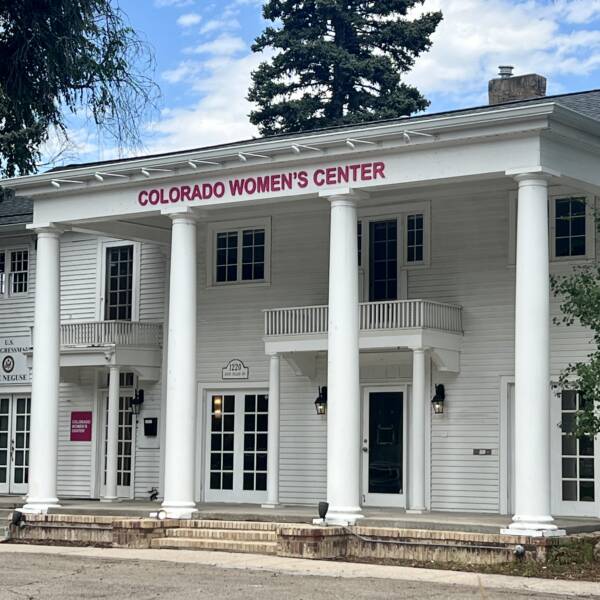
Colorado Women’s Center, Fort Collins
1220 S College Ave, Suite 200 Fort Collins, CO 80524

Our Fort Collins office is located on South College Avenue, close to Old Town, Midtown, and the CSU campus. Easy access from Harmony Road and I-25, with parking available on-site.

Hours: 7 days a week, 8am to 8pm

Phone: 720.810.2355

Colorado Women's Center

EMDR FAQs

Q: Does EMDR work online?
A: Yes. Many Fort Collins clients do EMDR through secure video using tapping or tones. It’s effective and saves you the commute.
A: Talk therapy helps you understand your experiences. EMDR helps your brain reprocess them so you’re not just gaining insight, you’re changing how the memory affects you. Many clients do both.
A: Often, yes. EMDR works differently than insight-based therapy. If you understand your patterns but still feel stuck in them, EMDR can help your nervous system catch up to what your mind already knows.
A: It depends on your history and goals. Some women feel meaningful shifts in 6 to 12 sessions. Others with more complex experiences benefit from longer-term work. Your therapist will build a plan with you and adjust as you go.
A: That’s okay. Your Match Call is a chance to talk it through with someone who can help you figure out if EMDR is a good fit, or if another approach might work better.

We Guarantee Our Therapist Matching

It’s hard to find the right therapist.

Experience the Colorado Women's Center Difference

We empower women to find true self-esteem and navigate life confidently. Our comprehensive services address trauma, anxiety, self-esteem, body image issues, and more, tailored to each individual’s needs. Our spa-like environment is modern and inviting, designed to celebrate and inspire women of all ages. Our highly skilled therapists are dedicated to helping you transform struggles into strengths. Join us and become part of a movement that promotes personal growth and societal change. Schedule a guaranteed Therapist Match Call today to start your journey to self-discovery and empowerment.

Contact Us

Start with a Therapist Match Call

Schedule a Free Consultation Today!
New clients often are able to have first appointment within a week of contacting us.
Call 720.810.2355 or Fill Out The Form Below

Your information is confidential and HIPAA compliant

If you are experiencing a life-threatening emergency, please call 911. If you are experiencing a mental health emergency, please call 988 for the Suicide and Crisis Lifeline. 

© Colorado Women’s Center 2026. All Rights Reserved.                   PRIVACY POLICY | NOTICE OF PRIVACY PRACTICES | NO SURPRISE ACT

Schedule a Therapist Match Call Today!

Call 720.810.2355 or Fill Out The Form Below

720.810.2355